Trying to choose between the energy of Brickell and the calm of Coral Gables for your next condo? You are not alone. Both areas offer strong value, very different lifestyles, and unique building types. In this guide, you will compare day-to-day living, commute options, amenities, HOA costs, risk factors, and resale considerations so you can decide with confidence. Let’s dive in.
Brickell vs Coral Gables at a glance
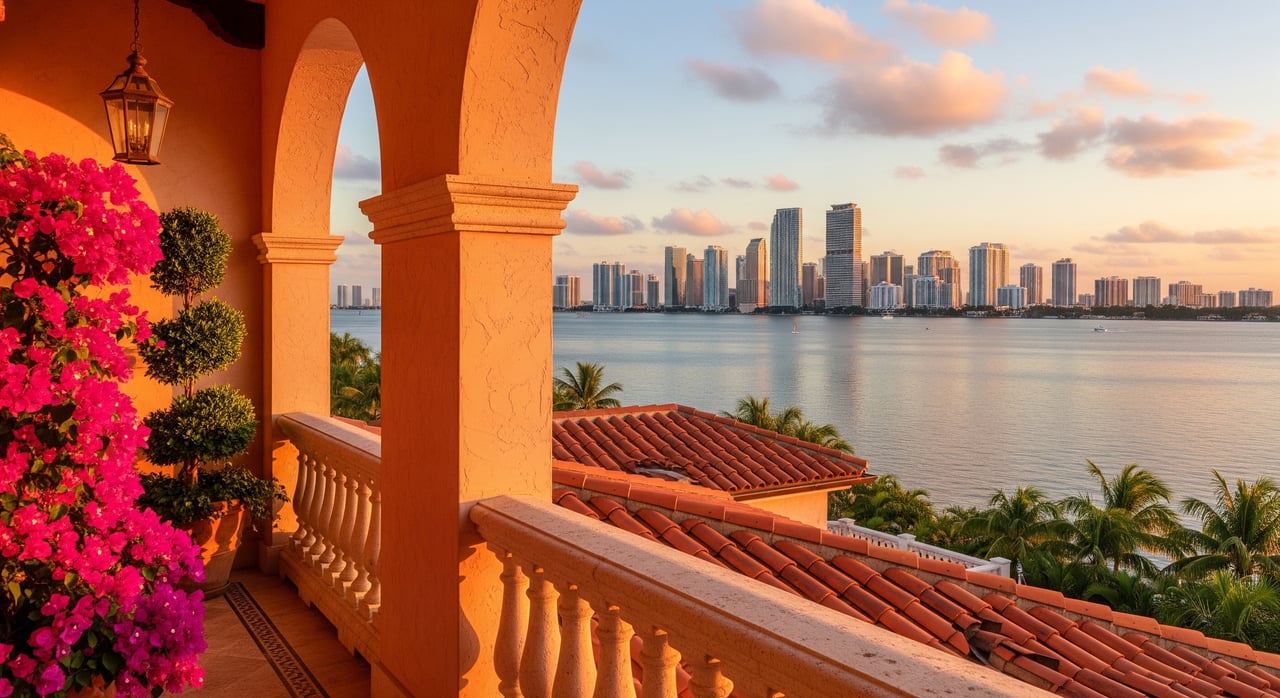
Brickell is Miami’s financial hub with a dense skyline, high-rise living, and an active restaurant and nightlife scene. Towers cluster along Biscayne Bay and Brickell Avenue, and many buildings include retail and dining on site. For planning context and neighborhood vision, explore the City of Miami’s planning resources on the City of Miami Planning page.
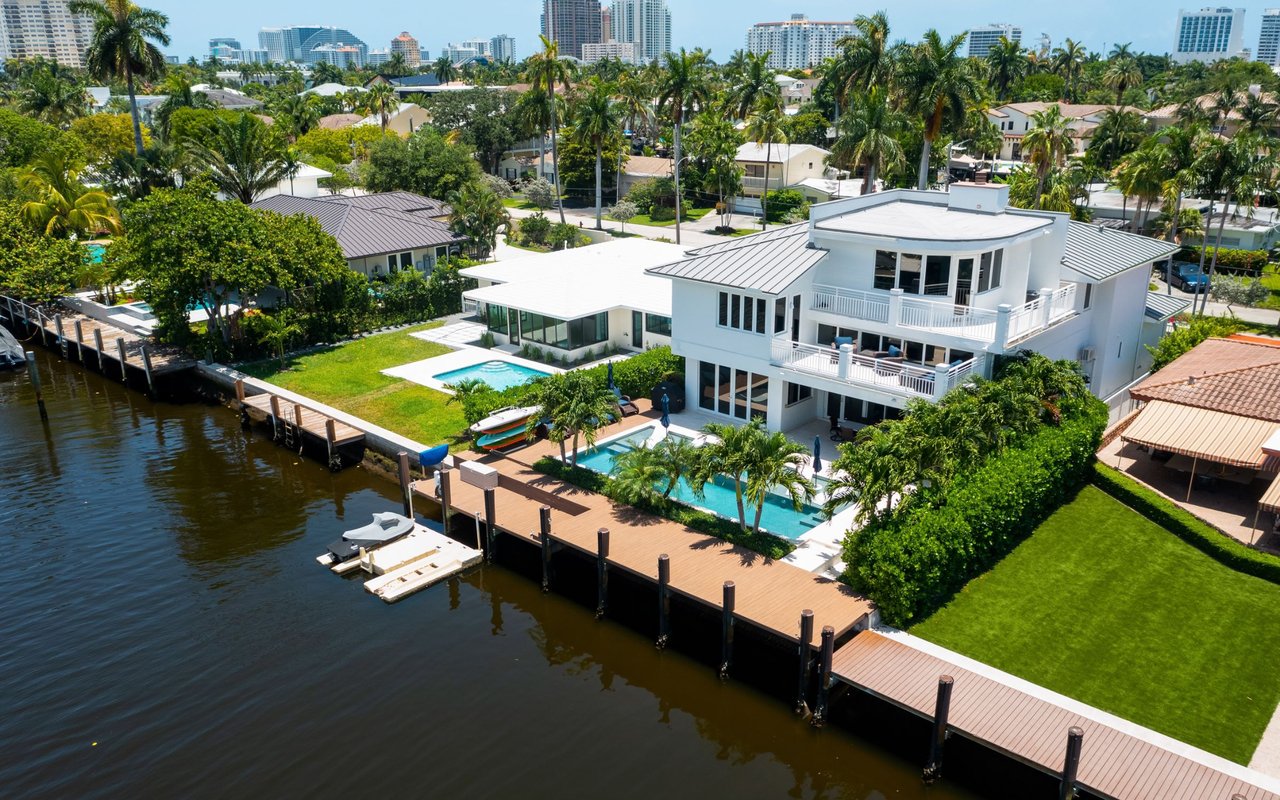
Coral Gables is a historic, planned city known for tree-lined streets, Mediterranean Revival architecture, and a quieter, more residential feel. Most condo options are low to mid-rise, near plazas, parks, and cultural landmarks around Miracle Mile and Merrick Park. Learn more about city features and services through the City of Coral Gables website.
Condo styles and amenities
In Brickell, you will find full-service towers and newer luxury buildings. Units often skew 1 to 2 bedrooms, with large fitness centers, multiple pools, rooftop lounges, co-working spaces, concierge, and valet. These buildings support an urban, amenity-rich lifestyle.
In Coral Gables, condos tend to be boutique and lower scale. Many offer private or quieter common areas, landscaped courtyards, and more private parking per unit. You will find mid-rise buildings integrated into residential blocks and a few luxury towers near the downtown core.
HOA fees, staffing, and rules
Association fees are shaped by amenities, staffing, building age, reserves, and maintenance needs. Brickell’s full-service towers typically have higher monthly fees because of 24-hour front desks, valet, and large shared facilities. Smaller Coral Gables buildings often carry lower fees, but older properties anywhere can face special assessments for repairs or recertification.
Rental rules vary by association. Many buildings set minimum lease terms and restrict short-term rentals. Brickell buildings may have deeper rental demand, yet still enforce leasing rules. Always review condo docs, budgets, reserve studies, and leasing policies before you make an offer.
Walkability and commute options
Brickell scores high for walkability, with jobs, shops, and dining a short stroll from most central towers. For a quick snapshot of area walk scores, check Walk Score’s neighborhood ratings. Brickell residents also benefit from strong transit access, including Metrorail, Metromover, and frequent bus service that connect to Downtown and beyond. See routes and system maps at Miami-Dade Transit.
In Coral Gables, the downtown core around Miracle Mile is very walkable, but many residential pockets are more car-oriented for daily errands. The city has a trolley circulator, and Metrorail stations on the northern edge add options. Commute times vary by your building’s exact location and your destination.
Flood, resilience, and building safety
Both areas face hurricane risk. Brickell, which is low-lying and adjacent to Biscayne Bay, can be more exposed to tidal flooding and roadway inundation during storms and king tides. Central Coral Gables generally sits at slightly higher elevations, though properties near waterways can still face flood risk. You can verify property-level exposure with the FEMA Flood Map Service Center and explore future conditions with NOAA’s Sea Level Rise Viewer.
Building safety and recertification matter for every condo buyer. Miami-Dade has emphasized structural inspections and 40-year recertification requirements for older buildings. Before you commit, ask for recent engineering reports, reserve studies, insurance summaries, and any planned capital projects or special assessments.
Insurance and financing checkpoints
Insurance availability and cost for wind, hurricane, and flood vary by exposure and building condition. Check your lender’s condo project approval requirements early, especially for older buildings or small associations. Newer Brickell developments often have more standardized lender programs, while boutique associations may require extra documentation.
Market patterns and ownership trends
Brickell often commands higher prices per square foot in newer towers, especially with bay or skyline views, and it supports a deeper rental and investor market. Coral Gables offers a broader range of condo types, including smaller, less amenitized options in addition to luxury properties, within a city that is more owner-occupied overall.
Long-term performance is influenced by location, building quality, amenities, and access to jobs and transit. For commuter-mode context at a regional level, review the American Community Survey.
Which area fits you best
Choose Brickell if:
- You want to walk to work, dining, and nightlife.
- You prefer full-service, amenity-rich high-rises.
- You value strong rental demand and a short commute to Downtown and the Brickell core.
Choose Coral Gables if:
- You want quieter, tree-lined streets and boutique buildings.
- You prefer more private parking and relaxed common spaces.
- You prioritize proximity to parks, cultural venues, and established residential blocks.
A simple buyer checklist
- Daily routine
- Do you want a fast-paced, urban vibe, or a quieter, residential feel?
- Commute
- Can you use Metrorail or Metromover, or will you primarily drive?
- Building scale and lifestyle
- Do you want concierge, valet, and multiple pools, or a smaller, lower-fee building?
- Financial due diligence
- Have you reviewed HOA budgets, reserves, insurance, and any assessments?
- Risk tolerance
- Have you checked FEMA flood maps and evaluated elevation and mitigation plans?
- Ownership goals
- Is your plan rental-friendly or long-term owner-occupancy?
How Team Delgado can help
You deserve a calm, informed buying experience. Our family-led team guides you through building research, HOA and insurance reviews, and neighborhood tours that fit your daily life. We support buyers across South Florida, including Miami-Dade and Broward, and we offer virtual showings for out-of-area clients.
If you are weighing Brickell against Coral Gables, we will help you compare specific buildings, commute routes, and ownership costs, then negotiate the right terms when you are ready. When you want trusted, hands-on guidance, visit tdhomeexperts.com to connect with Team Delgado Home Experts.
FAQs
What is the main lifestyle difference between Brickell and Coral Gables?
- Brickell offers dense, high-rise living near jobs, dining, and nightlife, while Coral Gables provides a quieter, tree-lined residential setting with boutique buildings and cultural amenities.
How does transit access compare for condo owners in both areas?
- Brickell has strong transit coverage with Metrorail, Metromover, and buses, while Coral Gables offers walkability downtown, a trolley, and Metrorail on the northern edge, with more driving in residential pockets.
Are HOA fees usually higher in Brickell than Coral Gables?
- Often yes, since many Brickell towers include 24-hour staffing and extensive amenities; boutique Coral Gables buildings may have lower fees, though each association is different.
What flood risks should I consider before buying a condo?
- Review FEMA flood zones and elevation, consider NOAA sea level rise scenarios, and ask buildings about mitigation measures, insurance coverage, and past flooding events.
What due diligence should I do on building safety and finances?
- Request recent engineering and recertification reports, reserve studies, HOA budgets and minutes, current insurance summaries, and any planned capital projects or assessments.