Trying to decide between a gated community and a non-gated neighborhood in Plantation? You are not alone. Many Broward buyers weigh privacy, security, rules, and costs before they choose. In this guide, you will learn what “gated” really means in Plantation, how the lifestyle and carrying costs compare, and how to tour homes with confidence. Let’s dive in.
Plantation snapshot: prices and context
Plantation is a well-established Broward city with a population near 91,750 and a median owner-occupied home value in the high $400Ks, according to the latest Census QuickFacts for Plantation. You can review the city overview on the Census site for a data-driven baseline of the area’s housing and population trends. Census QuickFacts for Plantation is a helpful starting point.
Current sale prices sit in the mid-to-high $400Ks. As of January 2026, Zillow’s typical Plantation home value was roughly 489–490K, while Redfin reported a median sale price near 480K. Different methods produce slightly different numbers, but together they suggest a working range for most homes.
Safety perceptions vary by neighborhood. Like many South Florida cities, Plantation reports property-crime activity, including vehicle theft. Instead of making assumptions, check neighborhood-level trends on the city’s official Crime View map as you compare addresses.
What “gated” means in Plantation
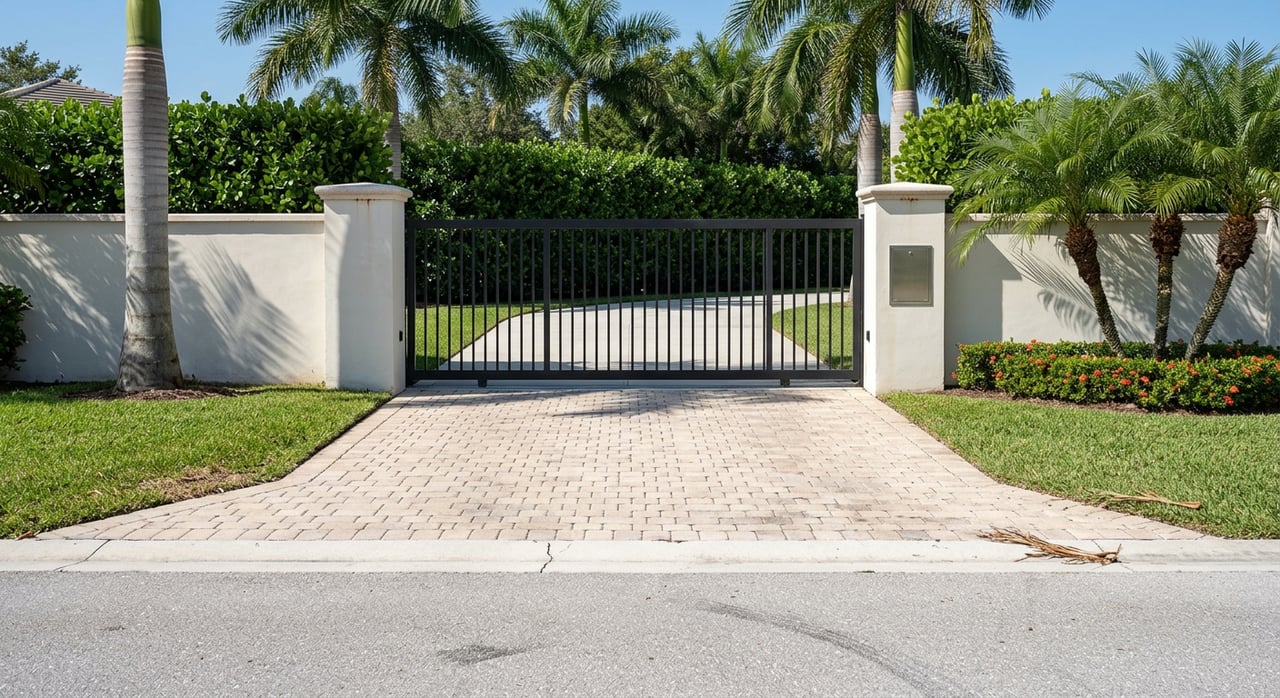
“Gated” can describe anything from an unmanned entry arm to a fully staffed guardhouse with roving patrols, cameras, and strict visitor procedures. The level of access control often matters more than the presence of a gate. For example, Hawks Landing in Plantation operates as a 24/7 manned, gated community and highlights robust amenities like a clubhouse and courts on its official page. You can see how one premier enclave presents security and lifestyle on the Hawks Landing POA site.
Gated neighborhoods in Plantation are usually governed by a homeowners’ association under Florida’s Chapter 720 statute. HOAs can levy mandatory assessments, record liens for unpaid dues, and set architectural and use rules. If you want to read the governing framework, review Florida Statutes Chapter 720.
Condominium communities are different. They fall under Chapter 718, which sets standards for condo associations, master insurance, reserves, and owner responsibilities. If you are comparing a gated single-family HOA to a gated condo or townhome, expect different insurance structures and reserve practices.
Some master-planned areas may also sit inside a Community Development District. CDDs are special-purpose units of government that finance infrastructure. If a home is in a CDD, you will see a separate annual CDD assessment on the tax bill in addition to any HOA dues. Learn more in Florida Statutes Chapter 190.
Pros and cons: gated vs non-gated in Plantation
Security and safety
- Gated pros: Gates, guards, and controlled access can reduce cut-through traffic and opportunistic theft. Many buyers also value the added sense of privacy these features provide. In high-amenity enclaves like Hawks Landing, staffing, cameras, and procedures are part of the package.
- Nuance: Research shows mixed results on whether gates alone reduce crime or improve how safe residents feel. An empirical study found that gating by itself did not automatically increase perceived safety. Design, lighting, cameras, and active management often matter more. If you want the research angle, see the study on gating and perceived safety and the federal resource on Crime Prevention Through Environmental Design.
- Local reality: Plantation’s own crime map shows variation by neighborhood. Use it to compare areas you are considering and to understand why some buyers prefer gated options.
Privacy, traffic, and lifestyle
- Gated pros: Less through-traffic, fewer door-to-door solicitors, and a more controlled entry can feel quieter and more private. Many gated neighborhoods bundle resort-style amenities like a clubhouse, tennis or pickleball, pools, and sometimes roving security. Review how one local community presents its lifestyle on the Hawks Landing POA page.
- Non-gated pros: Open neighborhoods can feel more connected to surrounding parks, shops, and schools. You may have fewer check-in steps for visitors and deliveries, and often less restrictive rules.
Costs and fees
- Gated communities typically have HOA dues that fund security staff or gate operations, landscaping, reserves, and amenities. Costs vary widely in Plantation. Some established pockets have modest dues, while guard-gated, amenity-rich enclaves carry higher monthly or quarterly fees. There is no single public “average,” so request the current budget and reserve study for any community you tour. HOAs follow Chapter 720, which sets standards for records and disclosures.
- CDD charges, if present, appear as a separate line on your property tax bill and can last many years. Always factor CDD assessments into your monthly carrying costs. Learn more about CDDs in Chapter 190.
Maintenance and special assessments
- In HOAs and condos, common-area upkeep is bundled into dues. That can lower your day-to-day maintenance but shifts control to the board. If reserves fall short or major repairs arise, owners may face special assessments. Florida’s HOA statute outlines key recordkeeping and disclosure rules that help you evaluate financial health.
Insurance and financing
- Some insurers recognize gated or guarded communities with small discounts for reduced theft risk. Market sources note potential savings in the 2–10 percent range, depending on security features and the carrier. Quotes vary by insurer and the property itself, so shop around. For a consumer-friendly overview, review this guide to gated community insurance discounts in Florida.
Resale and buyer pool
- Gated status can boost appeal for buyers who value privacy, amenities, and a controlled environment. It can also narrow the buyer pool to those willing to pay dues and accept community rules. In Plantation, higher-end gated enclaves often show stronger median values, yet they remain a niche. The best approach is to compare like-for-like comps with your agent before assuming a price premium.
A smart touring checklist for Plantation buyers
Use this quick checklist while you tour gated and non-gated homes. It will help you compare lifestyle, risk, and long-term costs.
Documents to request
- Current recorded Declaration, Bylaws, and all amendments. These outline mandatory membership, rules, and the association’s authority under Chapter 720.
- Current year HOA budget, latest financials, and the most recent reserve study. Ask how much of dues goes to security staffing, gates, cameras, or patrols.
- Board meeting minutes for the past 12–24 months and disclosure of any pending litigation or special assessments. Florida requires specific records and disclosures for HOAs under Chapter 720.
- Resale or transfer certificate that shows assessments due, violations, and key buyer information.
- Security contract and gate operations policy. Confirm hours, visitor screening procedures, camera retention policies, and who pays for technology upgrades.
- Master insurance summary, including deductibles and coverage limits. Condo buyers should also review the relevant requirements under Chapter 718.
- CDD documentation if applicable, including annual assessment amount and bond term under Chapter 190.
Questions to ask during the tour
- Who manages the gate and security, and what are the staffing hours and response protocols?
- Have dues increased in the past two years? Any special assessments planned or recently approved?
- Are there architectural controls or exterior change timelines? What is the process to get approvals?
- What are the rental policies, including lease minimums and any short-term restrictions?
- What share of homes are owner-occupied versus investor-owned, if available from the association?
- What is the current reserve balance and what projects are planned in the next 3–5 years?
Quick on-site checks
- Gate and perimeter: Look at gate condition, camera placement, fencing continuity, and whether pedestrians can bypass vehicle gates. Consider CPTED basics like lighting and sightlines. For a design primer, see the CPTED resource manual.
- Common areas: Note pool, clubhouse, sidewalks, and landscaping upkeep. Deferred maintenance can signal future assessments.
- Traffic and noise: Visit at peak times. Stand near entries and major roads to gauge traffic flow and noise.
- Services and access: Ask how emergency services access the neighborhood and whether there is a posted emergency plan.
Local examples to frame your search
- Hawks Landing: A premier, 24/7 manned, gated community with a staffed entry, clubhouse, and sports courts. The Hawks Landing POA showcases the kind of amenity-rich, guard-gated experience available in Plantation.
- Other gated pockets: Plantation also features smaller gated subdivisions that may use automated gates and lighter amenity packages. These can offer privacy and reduced traffic with potentially lower dues than full-service, guard-gated communities. Ask your agent to compare specific HOA budgets, reserves, and security staffing when you tour.
How to choose what fits you best
Start with your top three priorities. If you want quieter streets, a staffed entry, and resort-style amenities, a gated community may fit. If you prefer open access, fewer rules, and potentially lower carrying costs, a non-gated neighborhood might be the better match. In both cases, the specifics of the HOA, security setup, reserves, and any CDD will shape your true monthly costs and day-to-day experience.
When you are ready to compare communities side by side, our local team is here to help you read budgets, request records, and negotiate with confidence. Reach out to Team Delgado Home Experts to explore homes, get neighborhood-level insights, and Get Your Free Home Valuation.
FAQs
What are typical HOA fees for gated communities in Plantation?
- There is no single public average. Fees vary based on staffing, amenities, and reserves. Some established pockets show low annual dues, while guard-gated, full-amenity enclaves are higher. Ask for the current HOA budget and reserve study before you buy.
How can I check neighborhood safety before choosing gated vs non-gated in Plantation?
- Use the city’s official Crime View map to compare addresses. Also tour at different times, look for lighting and cameras, and ask about security contracts in gated communities.
Does a gated community lower my home insurance in Florida?
- Some insurers offer modest discounts, often in the 2–10 percent range, when communities have strong access control and security features. Savings are not guaranteed. Shop multiple quotes and review this overview of gated community insurance discounts.
What is a CDD and how does it affect my monthly costs?
- A Community Development District funds infrastructure and charges an annual assessment that appears on your tax bill. If a home is in a CDD, you pay the CDD assessment in addition to any HOA dues. See Chapter 190 for details.
How are HOA rules and fees enforced in Florida gated neighborhoods?
- HOAs operate under Chapter 720. Associations can levy assessments, record liens for unpaid dues, and adopt rules and architectural processes. Always read the Declaration, Bylaws, and recent minutes before you commit.
How do gated condos differ from gated single-family HOAs in Plantation?
- Condos follow Chapter 718 and usually have different insurance and reserve structures than single-family HOAs under Chapter 720. Expect variations in maintenance responsibilities, master insurance, and budgeting between the two.