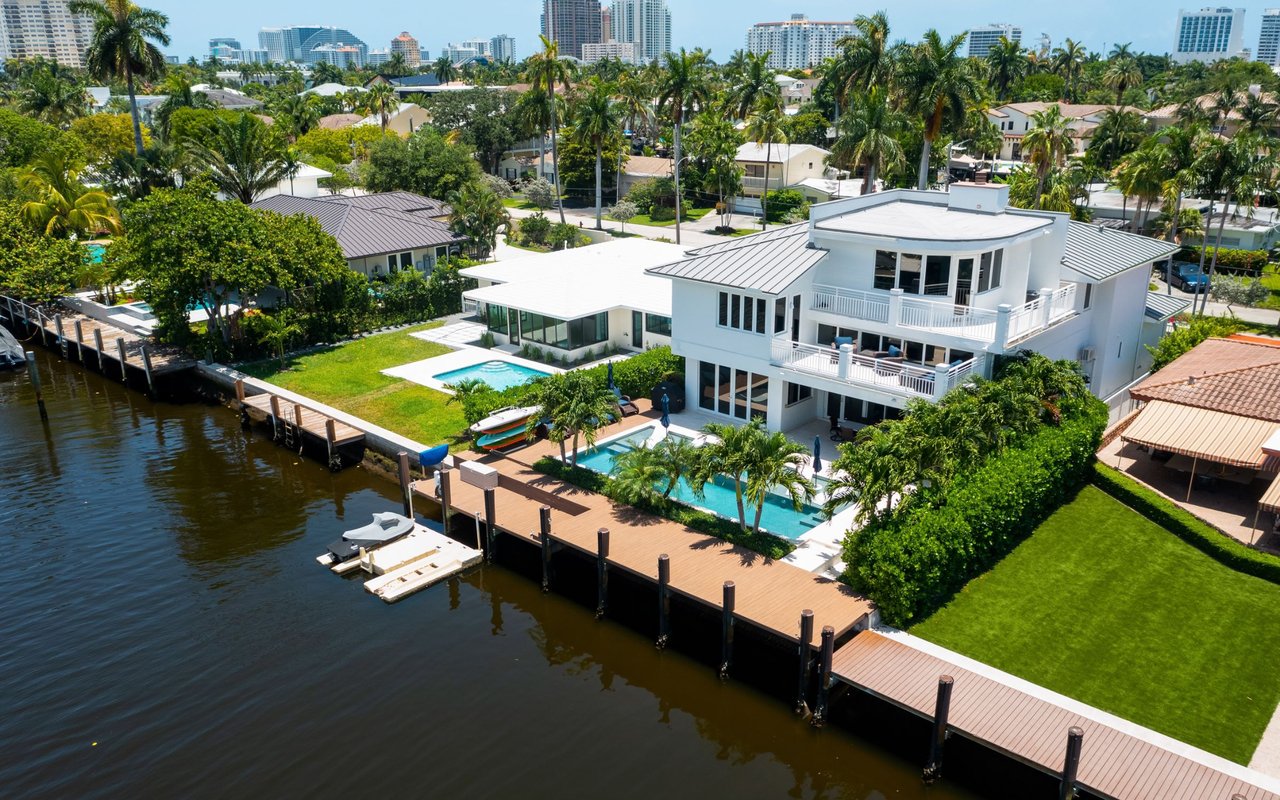
Thinking about selling your home in Plantation and not sure where to start with price? You’re not alone. With waterfront nuances, insurance considerations, and block-by-block differences, getting it wrong can cost you time and money. This guide gives you a clear, local step-by-step plan to set a confident list price and attract qualified buyers. Let’s dive in.
Know the Plantation market
Plantation is a Broward County suburb just west of Fort Lauderdale with a wide mix of homes, from mid-century single-family properties to renovated infill, condos and townhomes, and canal or lakefront homes. Your likely buyers include local residents, movers from across South Florida, and seasonal buyers who want a second home. Proximity to I-595, Florida’s Turnpike, Fort Lauderdale-Hollywood International Airport, and area amenities can lift demand for certain neighborhoods.
South Florida often sees stronger buyer activity from late fall through early spring. Patterns can change year to year, so check current MLS data before you finalize price. Keep an eye on interest rates and Broward inventory levels because both can shift buyer budgets and your pricing strategy.
What drives your list price
Property features
Buyers compare size, usable bedrooms and bathrooms, and layout first. Condition is critical in South Florida, especially roof, HVAC, windows, and overall maintenance. Lot size and outdoor living spaces, including a pool and privacy, add value. Waterfront details like seawall age, boat lift, canal connectivity, and flood elevation can significantly change price.
Neighborhood factors
Micro-neighborhood comps matter more than city averages. HOA or condo rules, amenities, and fee levels affect affordability and should be factored into your pricing. School zoning, commute times to employment centers, and access to parks and retail influence buyer interest, but make sure your comps reflect your immediate area.
Market and insurance
Inventory and absorption rates in Broward and Plantation will guide whether you price to compete or push for a premium. Rising interest rates generally reduce purchasing power, so consider realistic pricing or buyer incentives. Flood zones and the broader insurance environment in Florida affect buyer costs, which can impact how much they will pay. Property taxes and homestead status also matter because a buyer’s assessed value may differ from yours.
A step-by-step pricing plan
Gather your facts. Confirm square footage, bed and bath count, year built, lot size, upgrades, and HOA or condo fees. Check for open permits or code items.
Pull the right comps. Focus on 3 to 6 recent solds from the last 3 to 6 months in your micro-neighborhood. Include active and pending listings to understand current competition and price bands.
Adjust thoughtfully. Tweak for differences in condition, lot, age, pool, garage, view, and especially waterfront features like seawall and canal access. Write down your adjustments and why you made them.
Consider a pre-list appraisal if your home is unique or waterfront, or if you plan to challenge recent comps.
Choose your strategy:
- Market-price strategy: Aim for a price that should attract an offer close to list in a balanced market.
- Aggressive strategy: List slightly under recent comps to drive multiple offers when inventory is tight or your home is highly marketable.
- Premium strategy: Price above comps only when upgrades are clearly superior and supported by evidence. Expect longer days on market and be ready to adjust.
Set a net-proceeds floor. Know your minimum acceptable net after closing costs, commissions, and likely repairs. Plan price reductions in a staircase with timing and amounts before you launch.
Prepare for the spotlight. Staging, decluttering, professional photos, and virtual tours improve buyer perception and support stronger pricing.
Launch and measure. Use a 2 to 4 week window to evaluate showings, feedback, and days on market. If the response is soft, adjust quickly.
Smart tactics that help
- Price just under a round number to capture more search results, such as 499,900 instead of 500,000.
- Choose the right buyer search band so you appear alongside relevant competitors.
- Consider incentives when rates are elevated. A rate buydown or a home warranty can move a buyer more cost-effectively than a large price cut.
Waterfront and large-lot tips
For canal or lakefront homes, buyers focus on seawall age and condition, tidal exposure, and connectivity to broader waterways. Direct ocean access versus canal-only access can shift value. Flood elevation matters, so be prepared with documentation that reduces uncertainty for buyers.
If you have a larger lot, highlight privacy, outdoor living potential, and functional storage like RV or boat space. These can help you stand out within your micro-neighborhood.
Prepare to defend your price
Create a simple evidence packet. Include permits, receipts for major updates, HOA or condo documents, and any flood or insurance information you can share. If you push for a premium price, recognize the appraisal risk and be ready to negotiate or bridge an appraisal gap. A pre-listing inspection or appraisal can streamline negotiations, especially for unique or waterfront properties.
Monitor and adjust after launch
In the first 2 to 4 weeks, track showings, online interest, and agent feedback. If you are not getting showings or buyers mention the same objection, the market is telling you something. Follow your pre-planned reduction schedule or test a targeted incentive. The goal is to keep momentum while protecting your net.
Avoid common pitfalls
- Relying only on automated online estimates without MLS verification.
- Using citywide averages instead of micro-neighborhood comps.
- Overlooking flood and insurance costs that change buyer affordability.
- Pricing from emotion or replacement cost rather than market evidence.
- Ignoring nearby distressed sales when they are recent and comparable.
Your Plantation seller checklist
- Verify records with the Broward County Property Appraiser and confirm homestead status.
- Pull 3 to 6 recent sold comps plus active and pending listings from your micro-neighborhood.
- Determine your flood zone and consider an elevation certificate if applicable.
- Estimate carrying costs and set your minimum acceptable net proceeds.
- Stage, declutter, and schedule professional photos and virtual tours to support your price.
- Outline a price reduction plan and evaluate market response within 2 to 4 weeks of launch.
Work with a local, hands-on team
Plantation pricing is nuanced, from HOA fee impacts to seawall conditions and seasonal demand. You deserve a strategy that blends data with real-time market feel. Team Delgado Home Experts brings local experience, event-driven marketing that boosts foot traffic, and strong negotiation designed to protect your net while moving your timeline forward. If you want a clear, defensible price and a plan that creates buyer excitement, connect with us at tdhomeexperts.com.
FAQs
How do I find accurate comps in Plantation?
- Use recent 3 to 6 month sales from your micro-neighborhood, then compare pending and active listings to understand today’s price bands before setting your list price.
How do flood zones affect price and insurance in Broward?
- Homes in higher risk zones often face higher insurance costs and a smaller buyer pool, so share flood map status and elevation details to reduce uncertainty and support your price.
Is winter a better time to list in Plantation?
- South Florida often sees stronger buyer activity from late fall to early spring, but you should confirm current trends in the MLS before timing your launch.
Should I get a pre-list appraisal for a waterfront home?
- Yes if your home is unique or you plan to price above recent comps, because an appraisal can help you defend value and navigate appraisal contingencies.
How do HOA or condo fees impact my list price?
- Monthly fees change the total cost of ownership for buyers, so price with nearby fee structures in mind and disclose assessments or fee changes early to avoid surprises.