Thinking about a move to Coral Gables and wondering if it fits your family’s daily life, budget, and routines? You are not alone. Families love the city’s tree-lined streets, easy access to parks and culture, and a wide mix of homes, yet they also weigh costs, insurance, schools, and commuting. In this guide, you will get practical, local insights to help you compare neighborhoods, plan your budget, and settle in smoothly. Let’s dive in.
Why families choose Coral Gables
Coral Gables is a planned community known for Mediterranean-style architecture, shaded streets, and a calm residential feel. You will find a mix of single-family homes, condos, and apartments across quiet blocks and walkable corridors.
Families appreciate the city’s rich amenities. Miracle Mile and Merrick Park offer dining and shopping, and the University of Miami brings cultural and sports programming to the area. The city’s public parks, historic Venetian Pool, and nearby gardens create an active, outdoor lifestyle for all ages.
Housing overview and budget
Homes in Coral Gables tend to price above the Miami-Dade County median, with premiums near historic districts and the University of Miami. For the latest median prices, days on market, and inventory, review the Miami Association of Realtors market data. These snapshots can help you time your move and set a realistic budget.
As you plan, include ongoing costs in your budget:
- Insurance: wind and flood coverage can be significant, especially in coastal or lower-elevation areas.
- Property taxes: verify current bills by address and learn about exemptions for primary residences.
- Condo and HOA fees: review the fee schedule, reserves, and rules.
- Renovation costs: older or historic homes may require design review, specific materials, or permits that add time and expense.
Florida does not have a state individual income tax, which can help offset some recurring housing costs.
Neighborhood snapshots
Every family’s needs are different. Start with how you live day to day, then match that to a setting that fits your commute, budget, and lifestyle.
Old Coral Gables and Old Cutler
Tree-lined residential streets, larger lots, and many single-family homes define this area. Families often choose these blocks for yard space and proximity to parks and schools. Expect a premium for architectural character and lot size.
Near the University of Miami
You will find a mix of single-family homes, duplexes, and apartments around the campus. It is convenient if someone in your household studies or works at UM. Streets closest to campus can see higher rental turnover, so compare specific blocks.
Downtown corridors and Merrick Park
Condo and apartment living near Miracle Mile and Merrick Park suits families who want less maintenance and more walkability to shops, dining, and services. Check building amenities, school zoning by address, and parking.
Waterfront enclaves
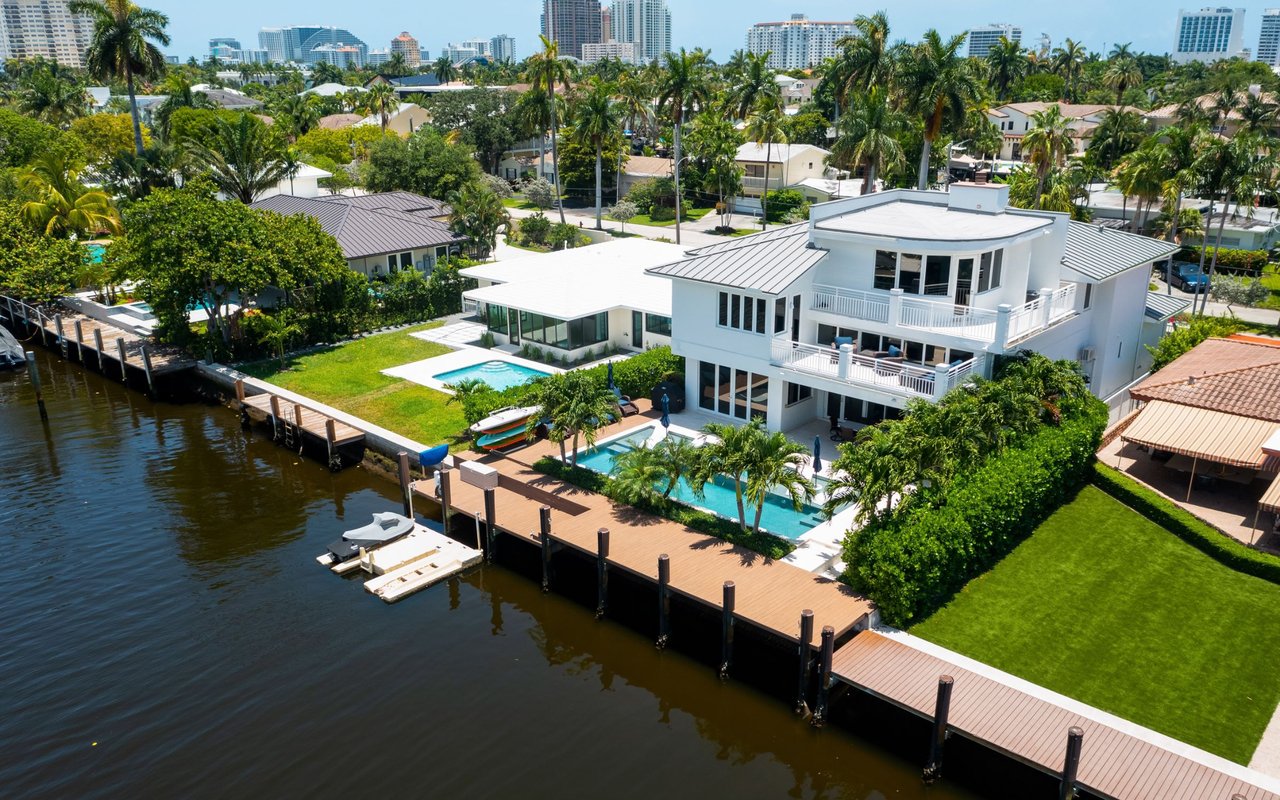
Gated waterfront neighborhoods like Gables Estates offer privacy and boating access at higher price points. Flood risk and insurance costs vary by street, so review elevation and coverage details early in your search.
Historic districts and design review
Some areas have historic-preservation rules that guide exterior changes and additions. Before you buy, understand what approvals you may need for future projects and budget time for permits.
Buy or rent first?
If you are new to Coral Gables, short-term renting can help you test commute patterns, parks, and school assignments. It also gives you time to learn which blocks fit your daily routine.
If you plan to buy soon, line up inspections, insurance quotes, and a renovation plan before you move. For condos, review HOA financials and rules. For single-family homes, confirm surveys, setbacks, and any prior permits.
Schools and childcare
Coral Gables is served by Miami-Dade County Public Schools. School assignments depend on your exact address and can change, so verify before you sign a lease or contract. Use the M-DCPS School Locator to check zoned schools and options near a property. For performance data and accountability reports, review the Florida Department of Education.
Private, parochial, and magnet options are available in and around Coral Gables. Programs include college-prep, bilingual, Montessori, and religious schools. Admission rules, transportation, and tuition vary, and some programs use waitlists. Start outreach early and keep a calendar of deadlines.
Childcare options include daycares and preschools. Licensing is handled at the state and county level, so confirm hours, curriculum, and license status when you tour. Many centers fill fast, especially near the academic year start.
Safety, storms, and insurance
Coral Gables is a largely residential municipality. Like any city, crime rates vary by neighborhood and year, so review local police statistics as you compare blocks and routines.
South Florida is prone to hurricanes and tropical storms. Many homes are built to Miami-Dade or Florida Building Code standards for wind resistance, yet risk levels differ by street and structure. When evaluating a property, consider:
- Flood zone and elevation: check the FEMA Flood Map Service Center for the property’s flood zone.
- Storm-hardening: look for impact windows or shutters, roof age, and permitted improvements.
- Insurance: obtain quotes for homeowners and flood coverage. Review windstorm deductibles and coverage limits.
For insurance questions and market conditions, consult the Florida Office of Insurance Regulation. Local brokers can provide quotes that reflect the specific address and building details.
Taxes and homestead exemption
Property taxes are assessed locally in Miami-Dade County. Primary homeowners can apply for a homestead exemption that may reduce taxable value. For current bills, millage rates, and exemption forms, visit the Miami-Dade County Property Appraiser.
Getting around
Many residents drive for daily errands and school drop-offs. Coral Gables is centrally located for trips to Brickell, Downtown, Coconut Grove, South Miami, and Miami International Airport. Commute times can stretch during rush hours, so test your route at peak times.
Public transportation includes Miami-Dade Metrobus routes and nearby Metrorail stations. For local trips, the city’s Coral Gables Transportation and Trolley services provide added convenience for work, school, and errands.
Parks and family activities
Weekends are easy to fill in Coral Gables. Families enjoy the historic Venetian Pool, which offers a unique swim experience with seasonal hours and admission rules. The Fairchild Tropical Botanic Garden and nearby Matheson Hammock Park provide wide-open spaces for picnics, events, and nature walks.
Miracle Mile and The Shops at Merrick Park host community events, and the Coral Gables Museum features local history and programs. The University of Miami adds sporting events, performing arts, and camps throughout the year.
Move-in checklist
Use this quick checklist to save time and avoid surprises:
Schools and childcare
- Confirm zoned schools with the M-DCPS School Locator.
- Gather enrollment documents: proof of residency, immunization records, and birth certificates.
- Join waitlists early for magnet programs or childcare.
Property due diligence
- Verify flood zone, request an elevation certificate if available, and get flood insurance quotes.
- Review recent permits and storm-hardening features like impact windows or shutters.
- For condos, review HOA financials, reserves, and house rules.
Budget and logistics
- Confirm current property taxes and homestead exemption eligibility.
- Obtain multiple homeowners and flood insurance quotes.
- Check parking and moving rules for your street, building, or HOA.
Utilities and services
- Set up electricity with Florida Power & Light.
- Confirm water, sewer, trash, and recycling through the City of Coral Gables or Miami-Dade County.
- Schedule internet and cable based on availability by building.
Daily life
- Test commute routes during peak hours.
- Map your closest pediatrician, urgent care, grocery, and parks.
- Mark hurricane season dates and update your family’s preparedness kit.
Next steps
If Coral Gables fits your family’s wish list, we are here to help you compare neighborhoods, line up tours, and navigate inspections, insurance, and school timing. Team Delgado Home Experts offers hands-on guidance that puts your family first. Let’s make your move smooth and confident. Start the conversation at tdhomeexperts.com.
FAQs
What should families budget for in Coral Gables beyond the mortgage?
- Plan for homeowners and flood insurance, property taxes, possible HOA or condo fees, and maintenance or design review costs if you buy in a historic area.
How can I confirm which public school serves a specific Coral Gables address?
- Use the M-DCPS School Locator to check school assignments for your exact address and verify any changes before you sign a lease or contract.
How do I check a home’s flood risk in Coral Gables?
- Look up the property on FEMA’s Flood Map Service Center, review elevation, and request insurance quotes that reflect the specific address and building type.
Is renting first a good idea when relocating to Coral Gables?
- Yes, renting short term helps you test commute routes, parks, and school assignments before committing to a purchase.
What permits might I need if I buy an older or historic home?
- Exterior changes in certain districts may require city design review or historic-preservation approval, so confirm rules and timelines before you renovate.