Thinking about a move to Fort Lauderdale? One of the biggest surprises for relocators is how different each part of the city can feel from the next. If you are trying to figure out where your day-to-day life might fit best, this guide will help you understand Fort Lauderdale’s main neighborhood clusters, housing character, and commuting patterns so you can narrow your search with more confidence. Let’s dive in.
Fort Lauderdale at a glance
Fort Lauderdale is a coastal city in Broward County with seven miles of beaches and about 165 miles of inland waterways. The city’s 2024 population estimate is 190,641, with a median owner-occupied home value of $486,700, median gross rent of $1,854, and a mean commute time of 26.1 minutes.
For relocation planning, it helps to think about the city in broad zones. The east side tends to feel more coastal and beach-oriented, the downtown and New River area feels more urban and mixed-use, and areas farther north and west generally feel more residential in pattern.
How Fort Lauderdale is organized
Fort Lauderdale is not a one-style city. Your experience can change a lot depending on whether you live near the beach, close to downtown, or in a more residential section farther from the coast.
That matters because your ideal location may have less to do with price alone and more to do with your routine. If you want walkability and rail access, you will likely focus on the urban core. If you want a quieter residential setting near the city center, a close-in neighborhood may fit better. If beach access is your top priority, the barrier island and coastal corridor may rise to the top.
Downtown, Las Olas, and Flagler Village
Downtown Fort Lauderdale is the city’s most urban environment. Planning documents describe it as an active center with housing, shopping, office space, entertainment, public spaces, and transportation options.
This area includes the Riverwalk district and is closely tied to Las Olas Boulevard, which the city identifies as a centerpiece for dining, fashion, and entertainment. Downtown also includes institutional uses such as Broward College and Florida Atlantic University.
What daily life feels like here
If you want a more car-light lifestyle, this is the clearest fit in Fort Lauderdale. City planning emphasizes compact development that supports walking, biking, and transit, and Brightline’s Fort Lauderdale station is within walking distance of downtown destinations.
Flagler Village is also part of ongoing mobility planning, which supports the area’s urban, connected feel. For many relocators, this part of the city works best when convenience, access, and activity matter more than a quieter street pattern.
Who this area may suit
You may want to explore downtown, Las Olas, and Flagler Village if you are looking for:
- Higher-density housing options
- Access to restaurants, entertainment, and public spaces
- Rail connections to Miami, Boca Raton, West Palm Beach, and Orlando
- A location where walking and biking may be more practical than in other parts of the city
Rio Vista, Tarpon River, and Sailboat Bend
This cluster sits close to downtown but offers a different setting. Rio Vista is bounded by US-1, the Intracoastal Waterway, the New River, and SE 12th Street, with beach access available through 17th Street or Las Olas Boulevard.
Tarpon River is a central neighborhood just west and south of downtown with a mix of commercial, light industrial, and residential uses. The housing stock varies widely in style and age.
Sailboat Bend stands out for its history. The city describes it as Fort Lauderdale’s oldest neighborhood, with more than 550 buildings and many small one-story vernacular residences featuring Bungalow, Mission, or Mediterranean Revival details.
What makes this cluster distinct
If you are drawn to older homes, established streets, and close-in convenience, these neighborhoods are worth a closer look. They offer proximity to downtown and riverfront amenities without placing you directly in the center of the busiest urban blocks.
For some buyers, that creates a nice middle ground. You can stay near major destinations while still getting a more residential feel than the downtown core.
Victoria Park, Coral Ridge, and Harbor Beach
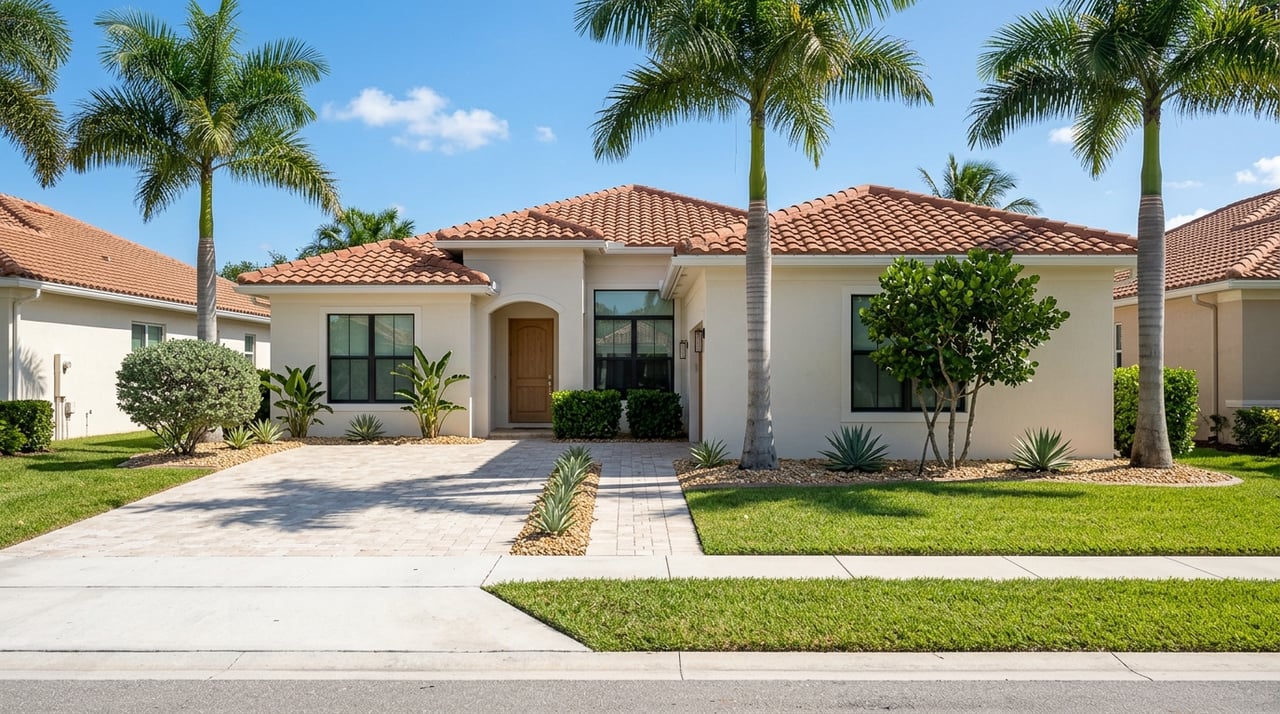
In northeast Fort Lauderdale, Victoria Park is recognized by the city as a geographically distinct neighborhood with both single-family and multi-family buildings. That mix can give buyers more than one housing format to consider.
Coral Ridge Country Club Estates is described in a city mobility master plan as largely single-family with some multi-family homes, surrounded by commercial and medical districts. The same plan notes nearby retail, golf, hospitals, and other daily destinations, and gives the area a Walk Score of 56.2.
Harbor Beach is included on the city’s neighborhood list, and city documents classify parts of it as single-family low-medium density residential. That points to a more residential development pattern in at least portions of the neighborhood.
Why relocators often consider this area
This part of Fort Lauderdale can appeal to buyers who want a residential setting while staying relatively connected to beach access, retail, and major city destinations. It often serves as a middle ground between the urban energy of downtown and the more leisure-driven feel of the beach corridor.
If your goal is balance, this cluster may deserve a spot on your shortlist. It gives you a different rhythm from downtown without moving too far from key amenities.
Beach corridor, Central Beach, Galt Mile, and Las Olas Isles
The barrier-island section of Fort Lauderdale has its own identity. The city’s Central Beach Master Plan describes this area as a dynamic, mixed-use, pedestrian-friendly urban beach destination.
The Beach Business Improvement District operates along A1A from Sunrise Boulevard to Harbor Drive, supporting events and activity in the corridor. The city also maintains lifeguards every day of the year from Fort Lauderdale Beach Park to NE 18th Street.
Las Olas Oceanside Park and Fort Lauderdale Beach Park are two key amenity anchors in this area. On the north side, the city’s LauderGO! Micro Mover connects the Galt Mile community to businesses, shopping, restaurants, and Lauderdale-by-the-Sea.
What to expect in the coastal zones
If you picture Fort Lauderdale as a beach city first, this is likely the setting you have in mind. The atmosphere is more coastal, more visitor-facing, and often more event-driven than inland or close-in residential neighborhoods.
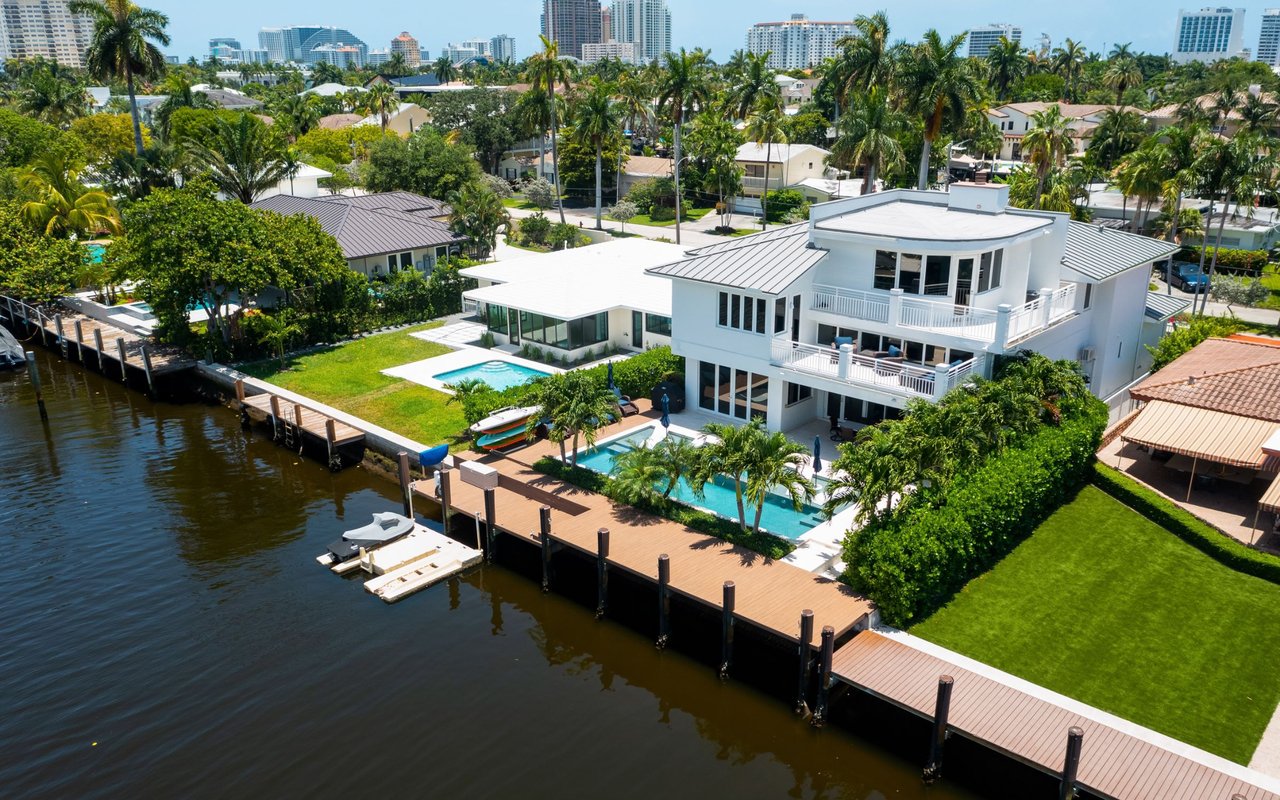
Las Olas Isles also reflects a specialized waterfront setting. The city completed utility undergrounding there to improve safety and resilience, which highlights the distinct planning needs of coastal and waterfront pockets.
Commuting and transportation basics
Fort Lauderdale offers more transportation options than many beach cities. Broward County Transit operates fixed-route service across 410 square miles, with service running from 4:45 a.m. to 12:25 a.m., and Route 1 serving Fort Lauderdale-Hollywood International Airport.
Tri-Rail’s Fort Lauderdale Station is at 200 SW 21st Terrace and includes free commuter parking. It connects with Broward County Transit routes 9, 22, and 81, along with Circuit and the city’s LauderGO! Shuttle.
Brightline’s Fort Lauderdale Station is at 101 NW 2nd Avenue and serves Miami, Fort Lauderdale, Boca Raton, West Palm Beach, and Orlando. Tri-Rail also operates the Fort Lauderdale/Hollywood International Airport Station in Dania Beach for airport access.
What this means for your home search
Transportation convenience changes by neighborhood. Downtown and close-in areas are generally the most transit-friendly, while beach-adjacent neighborhoods can be more traffic-sensitive and inland areas tend to be more car-oriented.
The city’s LauderTrail Master Plan is also designed to improve connections to parks, transit, businesses, and attractions. If commuting flexibility matters to you, neighborhood location can shape your daily routine just as much as the home itself.
How to choose the right Fort Lauderdale area
When you relocate, it helps to choose your neighborhood based on how you want your average Tuesday to feel, not just how a location looks on a map. A beachside address, a walkable urban block, and a quieter close-in street can all deliver very different day-to-day experiences.
As you compare options, think about these questions:
- Do you want a more urban, mixed-use setting or a more residential street pattern?
- How important is beach proximity?
- Would rail access or transit options improve your routine?
- Do you prefer newer, higher-density housing or older homes with more historic character?
- Will you spend more time around downtown, the beach corridor, or other parts of Broward County?
A practical relocation approach
If you are moving from outside South Florida, touring Fort Lauderdale by neighborhood cluster can save time and reduce guesswork. Instead of trying to see everything at once, focus on two or three areas that match your lifestyle priorities.
For example, you might compare downtown and Flagler Village for walkability, Rio Vista or Sailboat Bend for character and close-in access, and Coral Ridge or the beach corridor for a more residential or coastal feel. That side-by-side comparison often makes your preferences much clearer.
A local guide can also help you connect the city’s planning patterns to real housing choices. That is especially useful when you are balancing commute, home style, and the kind of daily environment you want after the move.
If you are planning a move to Fort Lauderdale or anywhere in Broward County, Team Delgado Home Experts can help you compare neighborhoods, narrow your search, and make your relocation feel more manageable from day one. Start your next step with tdhomeexperts.com.
FAQs
What is the most urban part of Fort Lauderdale for relocating buyers?
- Downtown Fort Lauderdale, including Las Olas and Flagler Village, is the city’s most urban area, with mixed-use development, entertainment, and stronger walking, biking, and rail access.
Which Fort Lauderdale neighborhoods offer older home character near downtown?
- Rio Vista, Tarpon River, and Sailboat Bend are close-in neighborhoods where buyers may find older housing styles, historic character, and access to downtown and the New River area.
What Fort Lauderdale areas feel more residential but still near the beach?
- Victoria Park, Coral Ridge, and Harbor Beach are useful areas to explore if you want a more residential setting while staying connected to beach access and major city amenities.
Which Fort Lauderdale neighborhoods feel most coastal and beach-oriented?
- Central Beach, Galt Mile, Las Olas Isles, and the broader beach corridor are the most coastal and leisure-oriented parts of Fort Lauderdale.
Is Fort Lauderdale a good city for transit and rail access?
- Fort Lauderdale has layered transportation options that include Broward County Transit, Tri-Rail, Brightline, LauderGO!, and trail planning, with the strongest transit advantages generally found in downtown and close-in neighborhoods.