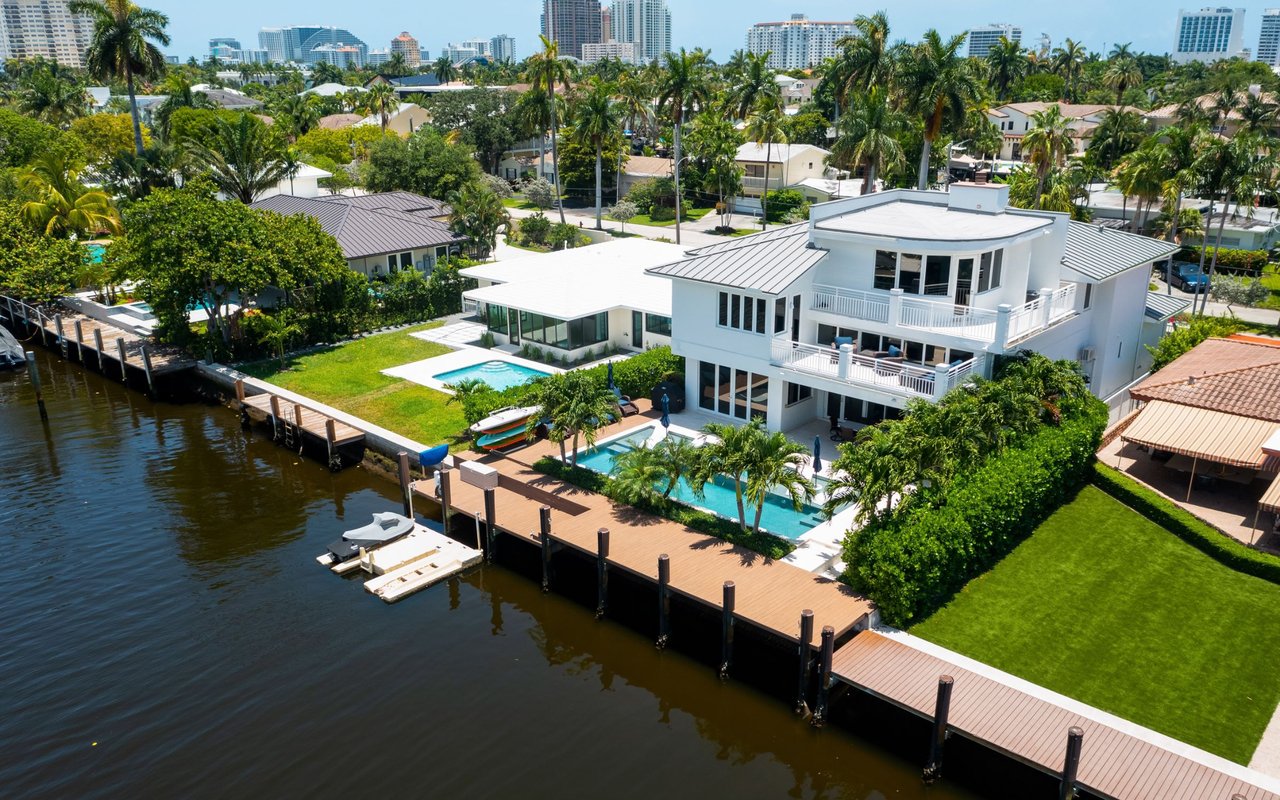
If you own a historic home in Coral Gables, you are not selling a typical property. You are selling architecture, craftsmanship, and a place within one of South Florida’s most recognizable communities. That creates real opportunity, but it also means you need the right plan for pricing, preparation, and documentation. Let’s dive in.
Why historic homes sell differently
Coral Gables has a distinct identity that shapes buyer expectations from the start. The city describes itself as the City Beautiful, with lush avenues, civic landmarks, and more than 1,000 properties on the Coral Gables Register of Historic Places. That means buyers often see a historic home here as more than a residence.
In practical terms, your home’s story matters. Its style, original details, and preservation status can influence how buyers perceive value. A generic listing approach can miss what makes your property stand out in this market.
Coral Gables market context
Historic homes in Coral Gables sit within a high-value market where presentation and pricing matter. Realtor.com’s market overview lists a median listing price of $1.95 million, 462 active listings, and a median 68 days on market. MIAMI REALTORS also reported 77 closed single-family sales and a $2.5 million median sale price in Q1 2025, with 6.7 months of supply.
These figures come from different sources and timeframes, so they are not apples-to-apples comparisons. Still, they point to the same takeaway: in Coral Gables, sellers benefit from disciplined pricing, polished presentation, and a clear strategy.
Showcase the details buyers notice
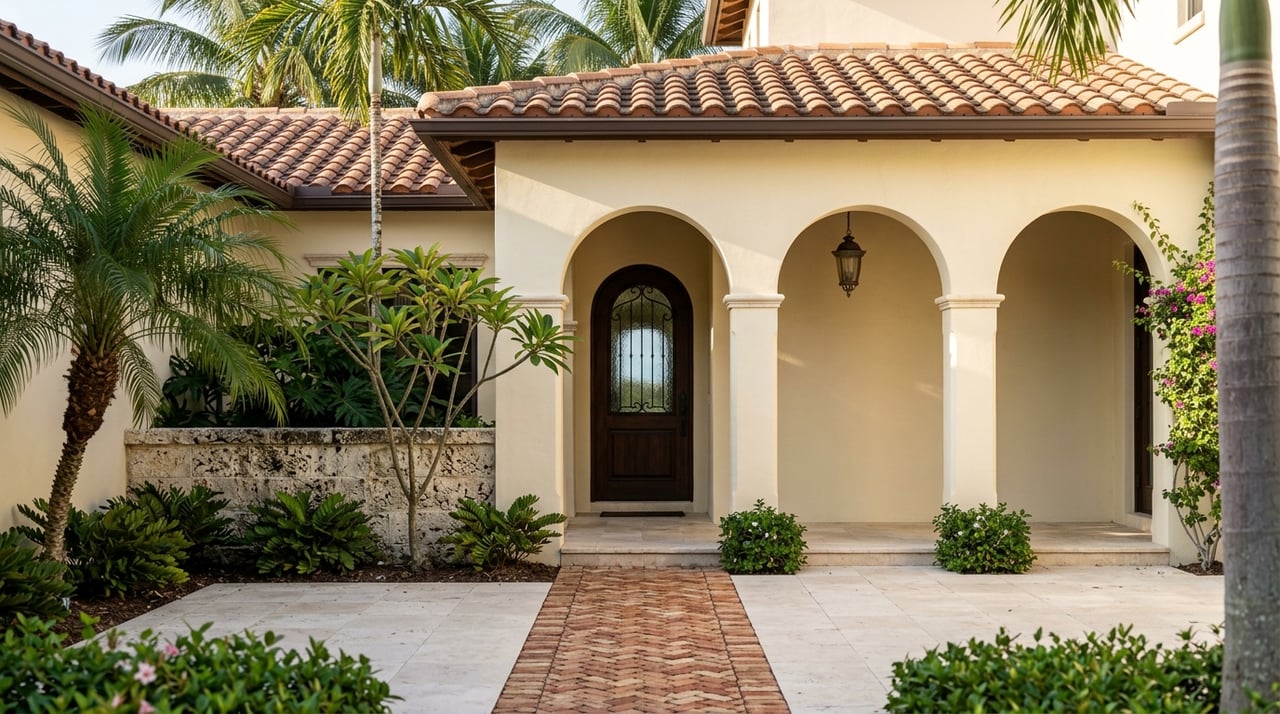
Historic homes tend to win attention when their defining features are highlighted clearly. In Coral Gables, local landmark examples emphasize Mediterranean Revival design, coral rock, barrel tile roofs, decorative chimney caps, and exposed rafter tails. Those are not side notes. They are often central to the appeal.
When you prepare your listing, focus on what gives the home authenticity. Professional photos, marketing remarks, and showing conversations should call attention to architectural details instead of treating the property like a standard resale.
Features worth emphasizing
Depending on your home, buyers may respond to details such as:
- Mediterranean Revival architecture
- Coral rock elements
- Barrel tile roofing
- Decorative chimney caps
- Exposed rafter tails
- Original or preserved exterior character
- Approved updates that respect the home’s style
The more clearly you identify these features, the easier it is for buyers to understand what makes your home special.
Prepare the home without erasing its character
One of the biggest mistakes sellers make is over-updating in ways that reduce historic appeal. In many cases, the better strategy is to improve presentation while protecting the home’s original identity. That means cleaning, repairing, and simplifying, not stripping away the details that make the home memorable.
The National Association of Realtors consumer guide recommends practical steps like improving curb appeal, decluttering, cleaning windows, and refreshing landscaping or paint. These updates can help your home photograph better and feel more inviting during showings.
Smart pre-listing prep
Before your home hits the market, consider focusing on:
- Curb appeal and entry presentation
- Fresh landscaping
- Clean windows for better natural light
- Decluttering rooms and storage areas
- Touch-up paint where appropriate
- In-kind repairs when possible
For historic homes, that last point matters. According to the city’s Preserving Our Past guide, minor work such as re-roofing, painting, and in-kind repairs may be handled administratively, while larger exterior changes are reviewed against the Secretary of the Interior’s Standards for Rehabilitation.
Know what approvals may affect your sale
Historic-home sales often move more smoothly when sellers understand approval rules before listing. If your Coral Gables home is locally designated or located within a historic district, a Certificate of Appropriateness is required before most exterior work begins, before a building permit can be issued, and before a variance can be granted.
That does not mean every project is difficult. It does mean buyers will feel more confident when you can explain what work was done, what was approved, and whether any future exterior changes may require review.
What sellers should gather early
A strong listing file can save time and reduce buyer concerns. The city’s development review process guidance notes the importance of gathering prior approvals, ordinances, resolutions, and conditions of approval for a property.
In practice, that means collecting:
- Prior permits
- Board approvals
- Renovation records
- Warranties
- Manuals
- Plans and before-and-after documentation, if available
- Records of approved exterior improvements
This kind of preparation helps buyers evaluate the home with fewer unknowns.
Be ready for key disclosures
Historic homes are often older homes, and older homes can bring added disclosure steps. If your property was built before 1978, federal law requires sellers to disclose known lead-based paint information before contract, provide the EPA and HUD pamphlet, and give buyers a 10-day opportunity to conduct a lead inspection or risk assessment. You can review those requirements through the EPA’s lead-based paint disclosure rule summary.
It is wise to prepare for this early rather than waiting until you are under contract. Having your records ready can make the transaction feel more transparent and organized.
The city guide also notes that local historic designation does not raise assessed taxes solely because of the designation. If you are pursuing a historic tax exemption for approved improvements, the application must be filed before construction and include required documentation and approvals, according to the city’s historic preservation guide.
Consider a pre-listing inspection
A pre-listing inspection can be especially helpful when you are selling a historic property. Buyers often love the charm of an older home, but they may still worry about hidden maintenance issues. Getting ahead of those questions can strengthen your negotiating position.
NAR explains that a pre-sale inspection can review the structure, exterior, roof, plumbing, electrical, HVAC, interiors, ventilation, insulation, fireplaces, and potential concerns such as mold, radon, lead paint, and asbestos. Not every issue will apply to every property, but the broader point is important: surprises tend to weaken leverage.
Why this matters in negotiations
When buyers see a historic home, they may assume future repair costs. If you can provide inspection findings, maintenance records, and documentation for improvements, you reduce uncertainty. That often leads to stronger offers and smoother contract discussions.
Target the right buyer pool
Coral Gables does not draw just one type of buyer. The city’s international profile includes more than 20 consulates and foreign government offices and more than 140 multinational corporations. That broadens visibility and can support interest from local buyers, relocating households, and some international purchasers.
At the luxury level, MIAMI REALTORS reported that Coral Gables was among Miami-Dade County’s largest million-dollar markets in 2024 and one of the county’s top $10 million-plus markets in 2025, with 22 sales at $10 million or more. The association also said South Florida luxury demand has been supported by wealthy buyers, cash-buyer activity, and renewed out-of-state and international interest, according to its luxury market report.
For many historic-home sellers, that means the ideal buyer is not just looking for square footage. They may care deeply about design, authenticity, setting, and the confidence that comes from clear documentation.
Tell a preservation story
A strong historic-home listing should do more than list bedroom and bathroom counts. It should explain why the home matters and what has been done to preserve it. Buyers who value historic property often want to understand the age, style, architect if known, designation status, and whether improvements were approved.
That story can make your home easier to evaluate and easier to remember. It also helps serious buyers distinguish your property from newer homes competing in the same price range.
Details to include in marketing
Your listing strategy should communicate:
- The home’s architectural style
- Approximate age or period
- Historic designation status, if applicable
- Architect or notable design background, if known
- Character-defining features
- Approved improvements already completed
- Relevant city clearances or documentation on file
This approach turns age into confidence instead of uncertainty.
Price with discipline, not nostalgia
It is easy to become emotionally attached to a historic home, especially if you have invested time and care into preserving it. But buyers still compare your property against current market options, condition, and renovation risk. That is why careful pricing matters.
In a market with notable listing inventory and meaningful days on market, overpricing can cause even beautiful homes to sit. A better strategy is to pair the home’s unique appeal with realistic positioning based on condition, documentation, and buyer demand.
Transparency helps deals hold together
The best historic-home sale strategy is often simple: show the charm, prove the maintenance, and be upfront about approvals and disclosures. Buyers are more likely to move forward when they feel informed rather than surprised. That is especially true when a home may be both a private residence and a recognized historic resource.
Selling a historic Coral Gables home the right way takes more than standard listing prep. It takes local awareness, careful planning, and a marketing approach that respects the property’s character while addressing the practical questions buyers will ask. If you want guidance on preparing your home, pricing it strategically, and presenting it with confidence, connect with tdhomeexperts.com for trusted, hands-on support.
FAQs
What makes selling a historic Coral Gables home different from selling a standard home?
- A historic Coral Gables home often carries added value through architectural character, preservation status, and buyer interest in authenticity, but it may also involve more documentation, disclosure preparation, and approval considerations.
What approvals may apply to exterior work on a historic home in Coral Gables?
- If the home is locally designated or within a historic district, a Certificate of Appropriateness is generally required before most exterior work begins, before a permit is issued, and before a variance can be granted.
What historic features should sellers highlight in a Coral Gables listing?
- Sellers should emphasize character-defining details such as Mediterranean Revival design, coral rock, barrel tile roofs, decorative chimney caps, exposed rafter tails, and other preserved architectural elements.
What documents should sellers gather before listing a historic Coral Gables property?
- It helps to collect prior permits, approvals, renovation records, warranties, manuals, plans, and any documentation related to approved exterior improvements or historic review.
What disclosures may apply when selling an older historic home in Coral Gables?
- For homes built before 1978, sellers must disclose known lead-based paint information, provide the EPA and HUD pamphlet, and allow buyers a 10-day opportunity for a lead inspection or risk assessment before contract.
Why is a pre-listing inspection useful for a historic Coral Gables home sale?
- A pre-listing inspection can identify issues early, reduce buyer uncertainty, support cleaner negotiations, and help you present the home as well maintained and thoughtfully prepared.