If you are deciding between a townhome and a single-family home in Miramar, you are not just picking a floor plan. You are choosing a lifestyle, a maintenance routine, and a monthly budget that needs to work for you long term. In a city where home values and carrying costs are meaningful, understanding the tradeoffs can help you buy with more confidence. Let’s dive in.
Why This Choice Matters in Miramar
Miramar is a large Broward County city with 143,242 residents and a homeownership rate of 68.8%, according to the U.S. Census QuickFacts for Miramar. The same source reports a median owner-occupied home value of $462,700, median monthly owner costs with a mortgage of $2,523, and median gross rent of $2,117.
Those numbers matter because your decision is about more than purchase price. In Miramar, recurring costs like HOA fees, exterior maintenance, and yard care can have a real impact on your monthly budget.
The local housing mix also helps explain why this is such a common buyer question. A Miramar housing profile shows 44,716 total housing units, including 30,168 detached units and 4,377 attached units, with 3-bedroom homes as the most common layout.
What Townhome Living Looks Like
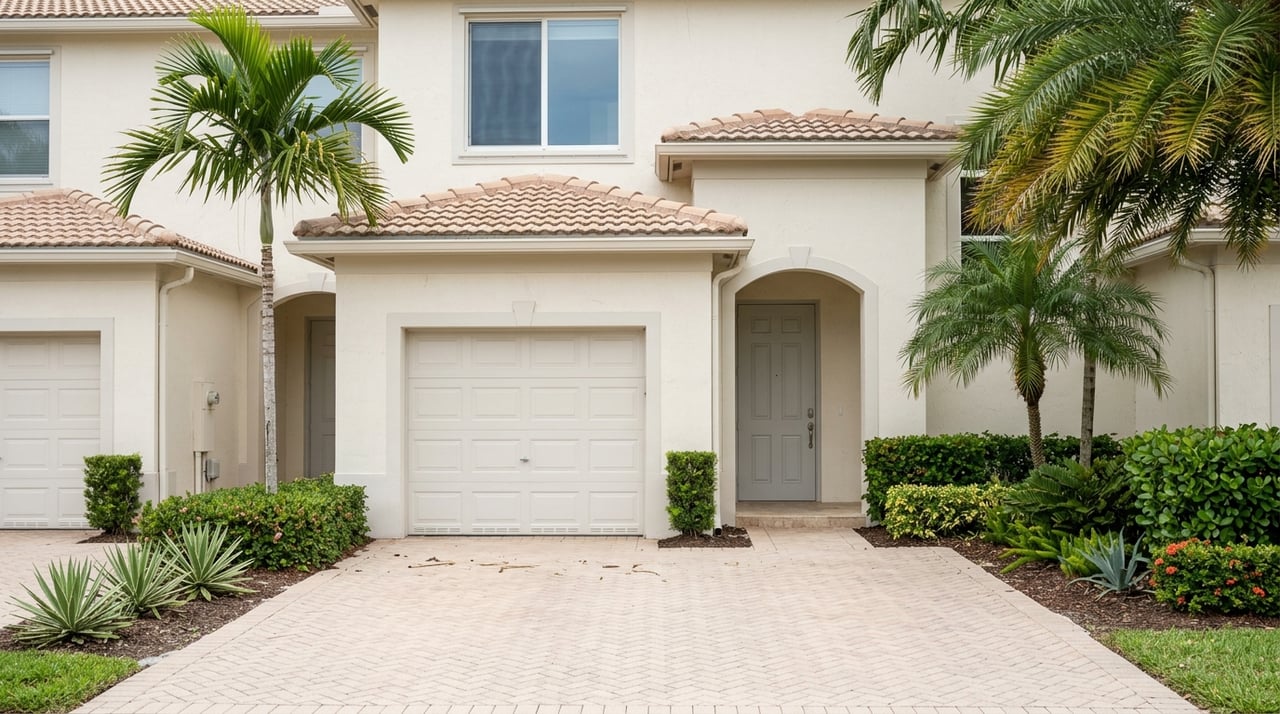
Townhome living in Miramar often means a more compact layout with shared community structure and less exterior upkeep at the individual level. Some newer examples also show how townhomes can offer modern features without giving up private outdoor space entirely.
For example, the city says Parc View Townhomes will include 66 two-story homes with two or three bedrooms, about 1,200 to 1,500 square feet, plus walk-out balconies, garages, private back yards, and access to a passive park with a playground and walking trail.
Miramar also includes townhome living in Miramar Town Center, which the city describes as a pedestrian-oriented, mixed-use district with residential, civic, retail, and educational uses within walking distance. The city notes that the design places buildings in 2- to 5-story structures to maximize green space.
When a Townhome May Fit You
A townhome may be a strong fit if you want:
- Less yard work on a day-to-day basis
- A more compact layout that is easier to manage
- A community setting with shared amenities or common spaces
- A location near walkable mixed-use areas
- A purchase option that may differ from detached-home pricing and upkeep
That said, townhome living is never one-size-fits-all. The exact experience depends on the community, the HOA documents, and how responsibilities are divided between you and the association.
What Single-Family Living Looks Like
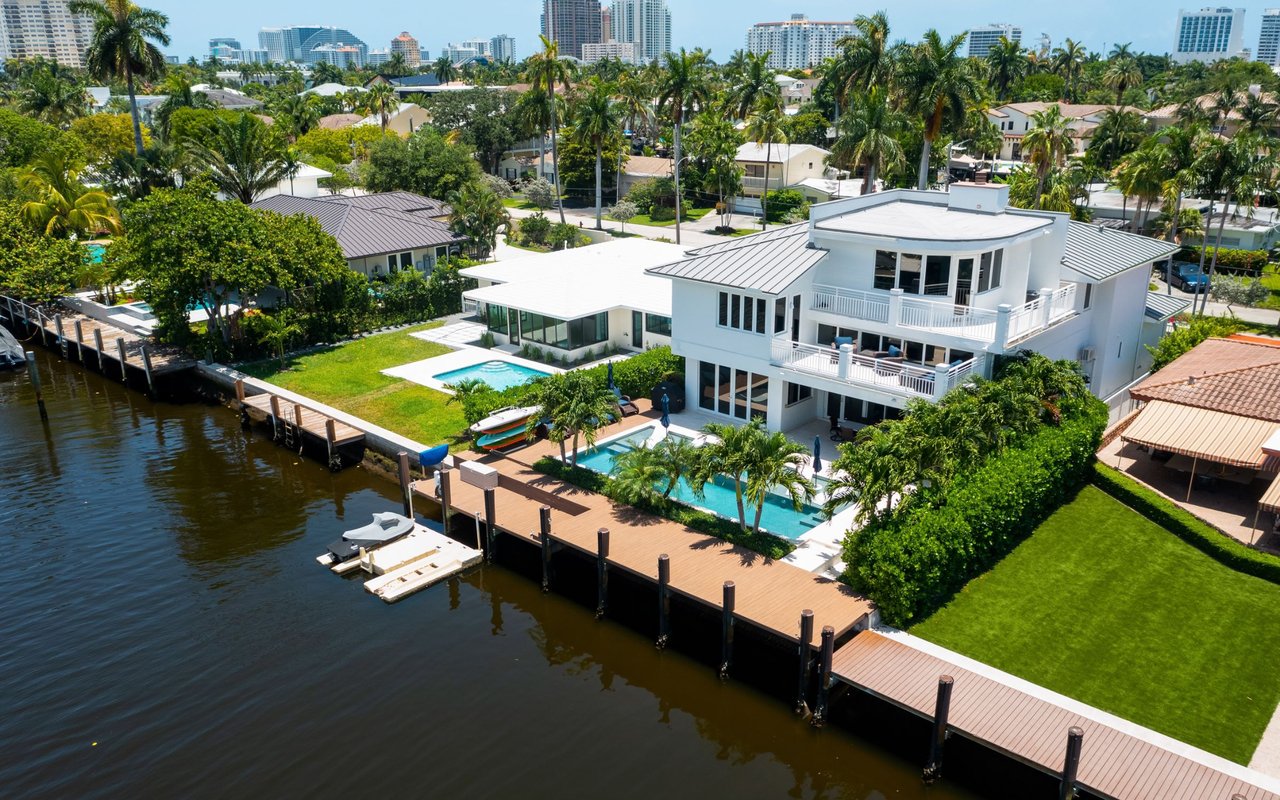
Single-family living in Miramar usually gives you more direct control over the home’s exterior and lot. It can also mean more room for storage, outdoor projects, and future changes, depending on the property and local rules.
City programs offer a useful clue about what detached-home ownership often involves here. Miramar’s Neighbors Helping Neighbors program is designed for owner-occupied single-family homes that need painting or landscaping help, and the city’s Embankment Restoration Program is limited to single-family residential properties next to canals or lakes.
The same city resource also references the Code Ranger Program, which addresses issues such as lawn overgrowth, trash accumulation, and hurricane shutters. That gives buyers a practical reminder that detached ownership often brings more exterior responsibility along with more control.
When a Single-Family Home May Fit You
A single-family home may make sense if you want:
- More private outdoor space
- More say over the exterior appearance and use of the property
- Room for future projects, subject to zoning and permitting
- A layout that better supports long-term space needs
- More separation from neighboring homes
For many buyers, the biggest appeal is flexibility. But that flexibility still comes with upkeep, city compliance, and potentially higher maintenance costs over time.
Compare Costs Beyond Price
Miramar buyers often focus on the list price first, but monthly carrying cost is where the townhome versus single-family decision gets more real. Redfin reported a median sale price of $555,000 in February 2026, while Realtor.com reported 617 homes for sale and a median list price of $535,000 in January 2026, as summarized in the research provided.
Once you move past the sticker price, you need to look at the full monthly picture. Miramar’s median monthly owner cost with a mortgage is $2,523, according to U.S. Census QuickFacts, so even a moderate HOA fee can shift affordability in a meaningful way.
Cost Questions to Ask
Before you choose either option, ask:
- What is the estimated monthly payment including taxes and insurance?
- Is there an HOA fee, and how often can it change?
- What exterior costs will likely fall on you?
- Will you need to budget for lawn care, paint, drainage, or other upkeep?
- Are there shared expenses that reduce your direct maintenance workload?
A lower-maintenance setup can look appealing at first glance, but only if the recurring fees and rules make sense for your budget and goals.
Understand HOA Responsibilities
If you are considering a townhome, HOA due diligence is one of the most important parts of the process. Florida law makes clear that HOA responsibilities are document-driven, not just based on the property type.
Under Florida Statutes section 720.301, an HOA common area is property owned or leased by the association, or dedicated for use or maintenance by the association or its members. The law also requires associations to keep official records such as governing documents, rules, meeting minutes, insurance policies, and related financial records, generally for at least seven years.
HOA Documents Matter More Than Labels
That means you should not assume a townhome HOA covers the roof, exterior walls, landscaping, or insurance just because the property is attached. Instead, review the declaration, rules, budget, and official records to understand:
- What the HOA maintains
- What you maintain
- What restrictions apply to exterior changes
- What reserves and insurance information are available
- Whether there are special assessments or rule changes to consider
This is one of the biggest areas where experienced guidance can help you avoid surprises after closing.
Think About Outdoor Space and Maintenance
Outdoor space is often a deciding factor for Miramar buyers. If you love the idea of more room outside, a single-family home may naturally stand out. If you want some private outdoor space without as much ongoing work, certain townhomes may offer a middle ground.
For example, the city says Parc View Townhomes include private back yards and walk-out balconies, showing that townhome living does not always mean giving up outdoor access entirely. Still, detached homes are generally more likely to offer a larger yard, with the tradeoff of more upkeep.
Local Maintenance Realities
Miramar’s city programs suggest several maintenance themes that matter locally for detached homes:
- Lawn and landscaping upkeep
- Exterior paint and appearance
- Drainage-related concerns
- Canal or lake embankment issues for some properties
- Ongoing code compliance for exterior conditions
If you want a home where you can spend weekends on projects, that may sound fine. If you would rather simplify your routine, a townhome community may feel more practical.
Plan for Future Changes
If long-term flexibility matters to you, single-family homes often offer more room for additions or exterior changes. But that does not mean every idea is automatically allowed.
Miramar’s Land Development Code governs how land can be used and developed, and the city’s Gridics zoning tool allows residents to review parcel-specific rules such as setbacks, building heights, lot coverage, zoning districts, and floodplain layers.
Questions to Ask Before You Buy
If you are thinking ahead to future projects, check:
- Whether setbacks limit additions
- How much lot coverage is allowed
- Whether floodplain factors affect the property
- What permits would be needed for exterior work
- Whether HOA rules restrict changes in attached-home communities
This step is especially important if you are comparing a townhome you plan to keep simple with a detached home you may want to customize over time.
Which Option Fits Your Lifestyle Best?
There is no universal winner between a townhome and a single-family home in Miramar. The better choice depends on how you want to live, what you want to spend each month, and how much responsibility you want to take on yourself.
A townhome may be the better fit if you value convenience, a more compact footprint, and potentially less direct exterior upkeep. A single-family home may be the stronger choice if you want more outdoor space, more control over the property, and more flexibility for the future.
The key is to compare the real-life tradeoffs, not just the photos online. When you look closely at costs, maintenance, HOA documents, and future plans, the right option usually becomes much clearer.
If you are weighing your options in Miramar, the team at tdhomeexperts.com can help you compare communities, monthly costs, and long-term fit so you can move forward with confidence.
FAQs
What is the main difference between a townhome and a single-family home in Miramar?
- In Miramar, townhomes often offer a more compact, lower-maintenance setup within a shared community structure, while single-family homes usually provide more direct control over the exterior, more yard space, and more maintenance responsibility.
What should Miramar townhome buyers review in HOA documents?
- Miramar townhome buyers should review the declaration, rules, budget, insurance information, and official records to confirm what the HOA maintains, what the owner maintains, and whether there are restrictions or financial issues that could affect ownership costs.
Do Miramar townhomes have private outdoor space?
- Some do. For example, the city says Parc View Townhomes include private back yards and walk-out balconies, but the amount of outdoor space varies by community and property.
What maintenance issues are common for single-family homes in Miramar?
- Based on Miramar city programs, common issues can include lawn and landscaping upkeep, exterior paint, drainage concerns, embankment conditions for some waterfront-adjacent properties, and general code compliance for exterior conditions.
Can you make exterior changes to a single-family home in Miramar?
- Possibly, but changes are still subject to local zoning and permitting rules. Miramar’s Land Development Code and Gridics tool can help you review parcel-specific limits such as setbacks, lot coverage, height, and floodplain constraints.
Is a townhome or single-family home more affordable in Miramar?
- Affordability depends on the full monthly picture, not just the price tag. In Miramar, mortgage costs, taxes, insurance, HOA fees, and maintenance all affect which option is more affordable for your budget.