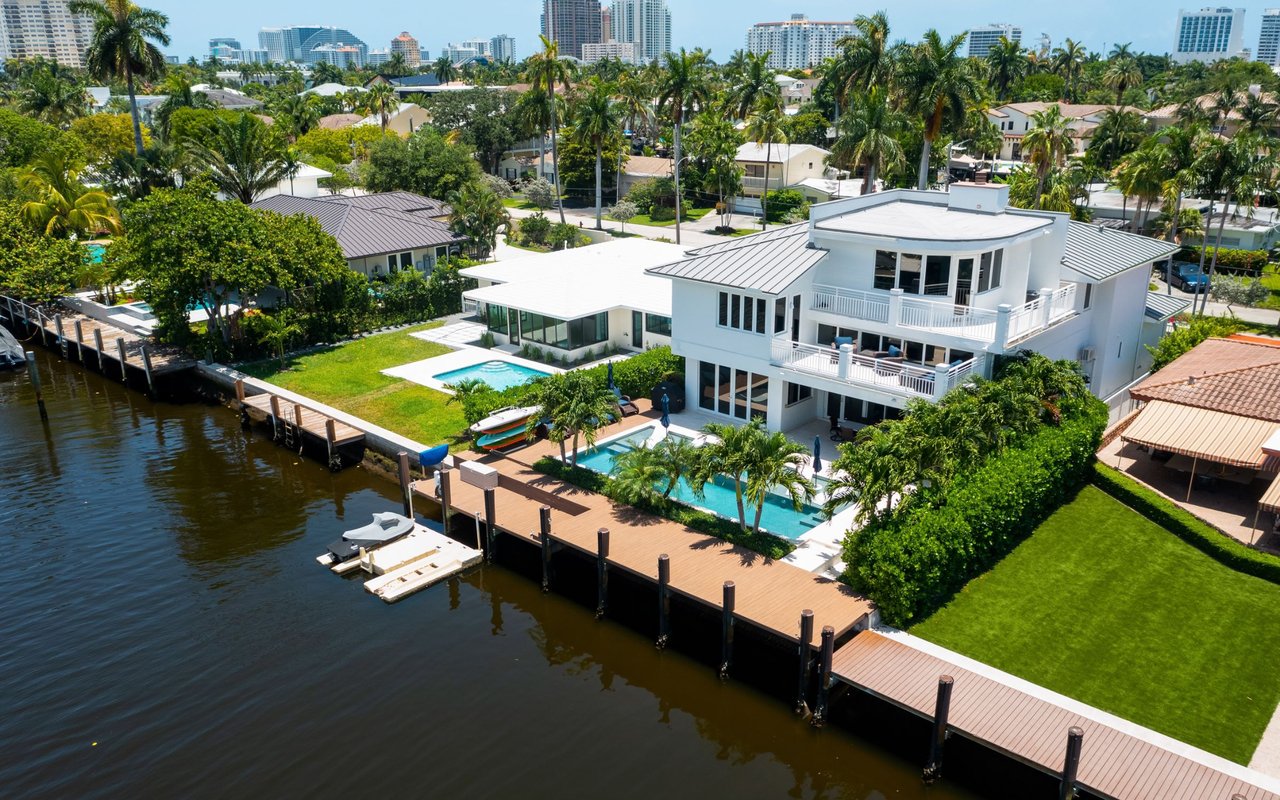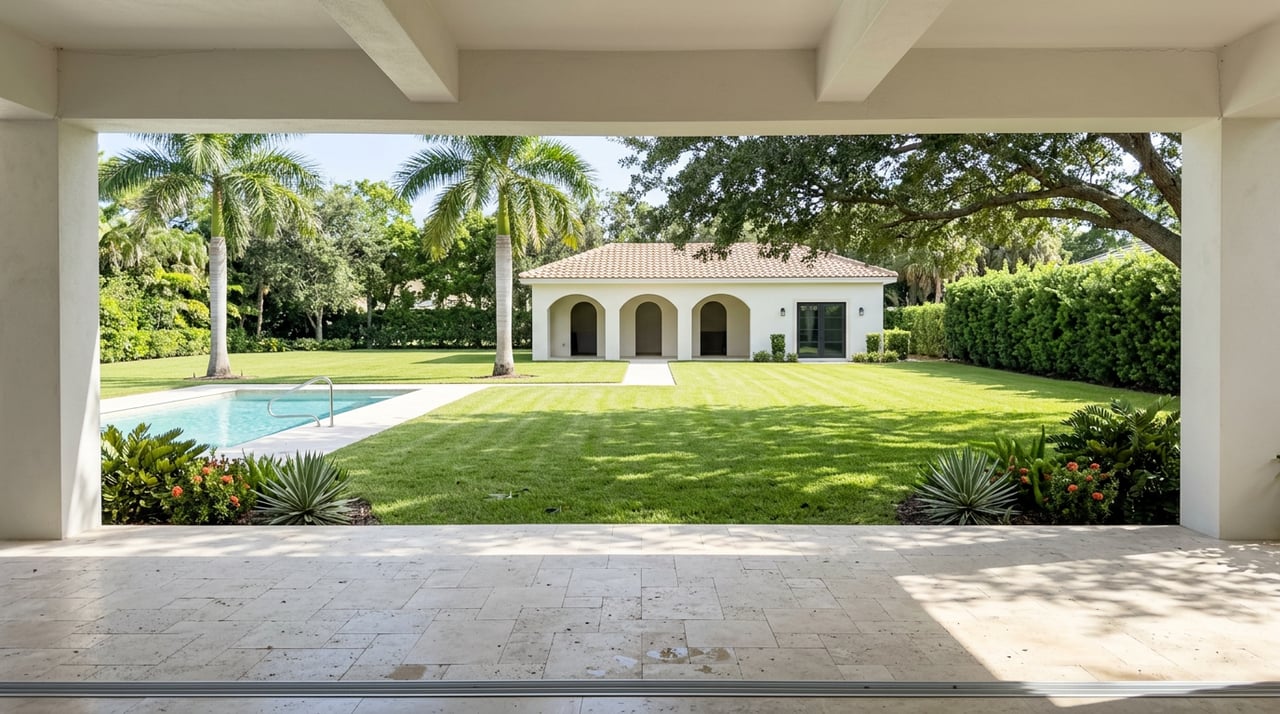
Ever picture mornings under wide South Florida skies, the sound of hooves on a nearby trail, and enough space to spread out without leaving Broward County? If you are curious about acreage life in Southwest Ranches, you are not alone. Many buyers want room for horses, hobby barns, and privacy, yet still need quick access to city amenities. This guide shows you what day-to-day living really looks like here, from zoning and chores to utilities, permits, and flood planning. Let’s dive in.
Southwest Ranches at a glance
Southwest Ranches is a deliberately rural, equestrian-focused town of about 13 square miles with roughly 7,900 residents. The community emphasizes one- and multi-acre home sites and a “rural lifestyle” within a short drive of Fort Lauderdale and regional amenities. You are also close to major routes like I-75 and a convenient run to Fort Lauderdale–Hollywood International Airport. Learn more on the town’s official About Southwest Ranches page.
What “acreage” means here
The town’s planning framework prioritizes rural and agricultural-residential uses. Many neighborhoods observe a 1-acre minimum lot size, with some areas requiring 2 or more acres. The Unified Land Development Code and Comprehensive Plan also outline where barns, arenas, and accessory structures can go, including limited plot-coverage allowances for barns in certain cases. Before you buy or build, verify the parcel’s Future Land Use designation and the latest ULDC details in the Town Comprehensive Plan.
Day-to-day rhythms on acreage
Equestrian life and trails
Horses are part of the local fabric. You will see small barns, tack rooms, turnout pastures, and trailer parking as common features. The town supports riding with trail corridors and the Sunshine Ranches Equestrian Park, which offers riding rings, roughly 10 acres of horse and nature trails, trailer parking, and a pavilion. Explore the park’s amenities and rentals at Sunshine Ranches Equestrian Park.
How much land per horse
Stocking rates depend on pasture quality and management. A practical planning range often used is about 1.5 to 3 acres per horse to allow pasture rest and rotation. In Florida, many owners still rely on supplemental hay and active pasture care because warm-season growth and year-round grazing add pressure. For background on pasture management challenges in Florida, see this peer-reviewed overview on forage and pasture practices.
Chores and seasons
Daily life looks different if you keep animals at home versus boarding, but here is a simple snapshot:
- Morning: feed and fresh water, stall checks, scan pastures for hazards.
- Weekly to monthly: mow lanes and paddocks, fix fence lines and gates, rotate grazing, clean wash racks and paddocks.
- Seasonal: prepare for hurricane season, secure panels and equipment, bring trailers under cover, manage drainage during the wet season, and build hay reserves before heavy rains.
Property upkeep and costs
Acreage living means more land to manage. Many owners hire mowing and landscaping during the fast-growing months or invest in a compact tractor and implements. Fence care is ongoing in South Florida’s climate. Safe horse fencing, gates, and shade structures need periodic checks for rot, rust, or storm wear. Manure must be collected regularly and either composted or hauled off, and pastures benefit from soil testing, targeted fertilization, and weed control. These tasks are why routine pasture maintenance is a recurring line item in Florida operations, as discussed in the forage and pasture practices research above.
If you keep horses on site, budget for feed or hay, farrier visits, routine vet work, vaccinations, and dental care. Published owner estimates vary widely by service level and goals. For a general sense of cost categories, review this overview of ongoing horse ownership expenses, then call local South Broward service providers for current quotes.
Utilities and connectivity
Most Southwest Ranches properties rely on private wells and septic systems, especially outside areas with nearby municipal service connections. This affects inspections and due diligence. Ask for recent septic pumping records, a septic inspection, well yield data, and water quality test results during escrow. The town’s planning materials note a high share of on-site domestic self-supply and septic systems; see the advisory board documents for context on wells and septic prevalence.
Roads can be fully paved and public, or stabilized and private. Confirm whether your access is a public road or a private easement and who maintains it, since this can affect your costs. For internet, many parcels near paved corridors have cable or fiber. Deeper acreage sites may use fixed wireless, 5G home services, or satellite. Check the FCC National Broadband Map and call local ISPs during your due diligence.
Permits, events, and neighbor norms
Building new barns, arenas, or doing substantial site work typically requires plan and drainage review followed by building permits under the ULDC. Plot coverage and pervious area limits can affect placement, so start early with a review of the Town Comprehensive Plan and the current ULDC.
Private horse-keeping is common in town, and the public park’s riding rings can be reserved for non-commercial use with guest and safety rules in place. The town also adopts niche rules to protect the rural character, such as restrictions on non-emergency helicopter landings. If you have questions about what is allowed, the Code Compliance team can clarify expectations and processes. See the town’s Code Compliance page for contacts and resources.
Risks and due diligence to plan for
Flooding and drainage matter on larger lots. Broward County adopted updated FEMA flood maps effective July 31, 2024. Use the county tool to check a parcel’s zone, Base Flood Elevation, and whether a lender is likely to require flood insurance. You can look up your address on the county’s Flood Zone Maps page. Many buyers also order an elevation certificate to inform site planning for barns and arenas.
Hurricane season runs from June 1 to November 30. Wind mitigation features, roof condition, and storm prep routines influence both safety and insurance pricing. Talk with a local insurance professional early in your purchase process to understand windstorm and flood options for your specific address.
Taxes and assessments are handled by the Broward County Property Appraiser. Search the parcel folio to see assessed values, taxes, and municipal assessments that shape your carrying costs. Start at the Broward County Property Appraiser website.
Buyer checklist: acreage essentials
Use this quick list to organize your due diligence:
- Confirm Future Land Use, zoning, minimum lot size, and any plot coverage limits in the Town Comprehensive Plan.
- Pull the county’s Flood Zone Maps, then consider an elevation certificate before finalizing plans.
- Order well yield and water quality tests, plus septic inspection and recent pumping records. For onsite sewage permitting guidance, consult the Florida DEP.
- Verify road access and who maintains it. Confirm any private easements through title review.
- Ask for permit histories for barns, arenas, and recent code correspondence, then contact Code Compliance with any open questions.
- If you plan to keep horses, call local barns, vets, and farriers for current rates. For a general overview of cost categories, review horse ownership expenses.
Is acreage life right for you?
If you want space, horses or hobby animals, and quiet evenings under the stars yet still need a short drive to Broward’s city centers, Southwest Ranches is a strong fit. The lifestyle rewards planning and routine care, from pasture rotation to storm prep. With the right due diligence, you can set your property up to work for you season after season.
If you are weighing options, we are here to help. As local advisors, we will walk you through zoning, inspections, and flood checks, and connect you with trusted vendors. Have questions or want a pricing read on your current home? Get your Free Home Valuation and a tailored acreage plan with Team Delgado Home Experts.
FAQs
How far is Southwest Ranches from Fort Lauderdale and the airport?
- It sits within a short drive of Fort Lauderdale and is commonly described as about 15 minutes from Fort Lauderdale–Hollywood International Airport, with easy access to I-75.
What lot sizes and zoning shape acreage use in Southwest Ranches?
- Many areas observe about a 1-acre minimum, with some districts requiring 2 or more acres; the ULDC and Comprehensive Plan guide where barns and arenas can go and how much you can build.
Can you keep horses on a 1-acre lot in Southwest Ranches?
- Possibly, but stocking rates depend on pasture quality and management; many owners use supplemental hay or prefer larger acreage for multiple horses to support rotation.
Do most homes have city water and sewer in Southwest Ranches?
- Many properties rely on private wells and septic systems, which affects inspections, maintenance, and disclosures; confirm site-specific service availability early.
How do I check flood risk and flood insurance needs in Southwest Ranches?
- Look up the property on Broward County’s Flood Zone Maps, then consider an elevation certificate; a lender may require flood insurance if the parcel lies in a Special Flood Hazard Area.